


We had Taylor Lorenz on last week to talk about AI. And in the course of the conversation, I threw out something that’s been on my mind for a while.
I feel like my relationship to other people’s writing is changing — maybe curdling — and it’s being nudged along by AI. The more I use AI instead of search, the less interested I become in the person behind what I'm reading. I’m in a conversation with a bot as I research a topic, and I ask it to give me links. I read those links myself — never trust the bots! — but I then go back to arguing with the bot about the ideas, usually in service of some piece I’m writing.
Derek Thompson had a similar thought the other day in the wake of Reddit’s alarming collapse in search referrals:


Derek worries that we’re losing a kind of human connection that made the web valuable. At first, I was mostly where he’s at. I don't particularly relish the prospect of writers losing their livelihoods. But increasingly as a reader, I've found something liberating in no longer feeling obliged to commune with them. Maybe, just maybe, the web hasn’t done writing any favors.
Part of it, I realized, has to do with the fact that for a while now, I haven’t really enjoyed reading the vast majority of essays being published today. Substack has been a great opportunity for many to go freelance, and even develop full-blown businesses. But it’s also, it seems to me, entrenched something I increasingly have little time for: It’s brought the X/Twitter ethos to longform.
“Intellectual life” increasingly feels like it’s about celebrity. Everything is about personalities rather than propositions. We “follow” writers. We track their evolving views. We love holding them to account for their errors in judgment. We thrill when they repent. We’re maybe more thrilled when they’re unrepentant. Even when we are forced to confront an argument in the midst of all this, we end up processing it through our relationship to the person making it. The whole thing reeks of reality TV.
While I’m not an avid consumer of reality TV, I’m not (that much of a) snob. I do really like Twitter a lot. I never left it when Elon took over. It’s a great way to interact with people — the digital equivalent of a frivolous cocktail party, fueled by banter and scurrilous gossip aplenty. Usually someone gets really drunk and makes a scandal while everyone clicks their tongues. Excellent.
But there are other registers. And I’m starved for them.
Two objections spring to mind. First, it has always been thus, hasn’t it? One need only look back to the hissing, poisonous debates in the greatest mid-century New York journals — Partisan Review, Dissent, Commentary, NYRB. Just think back to Norm Podhoretz’s Making It. And even if it wasn’t always quite on the surface, personal intrigue has always seethed among intellectuals.
Second, maybe I’m not looking hard enough. Maybe just as the second “golden age of television” largely passed me by, the golden age of longform is passing me by, too.
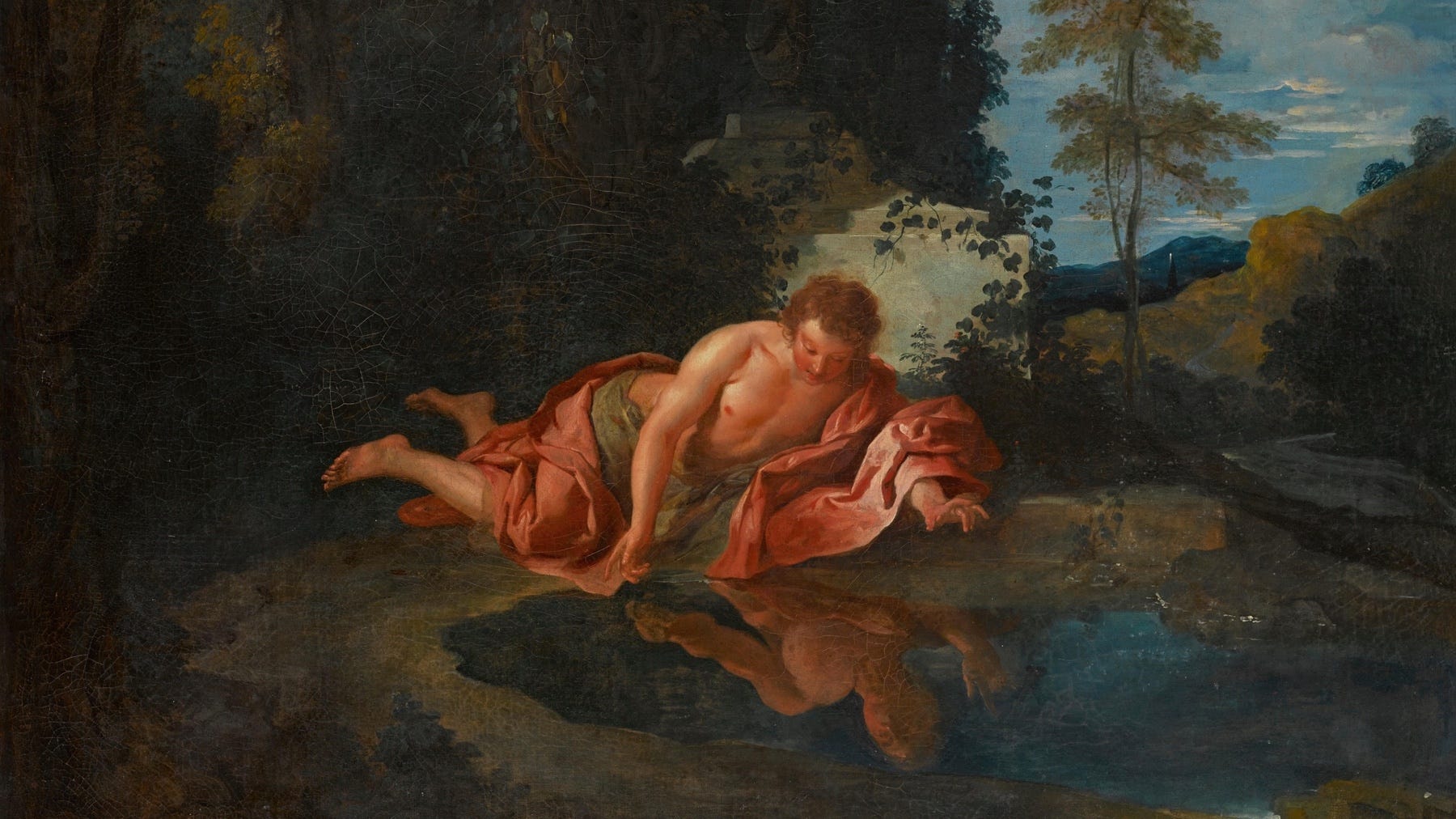
On the first, I’d say there’s something more insipid about today’s fights. Our intellectual forefathers were cutthroat, ambitious and looking to fuck. They were monstrous narcissists, but their narcissism expressed itself as the capacity to sustain a blood feud over some obscure point of Trotskyist doctrine. Today’s narcissists have been shaped by therapy culture. Their vocabulary is vulnerability, authenticity, trauma and personal growth. They gaze at their own navels and expect to be praised for it. Maybe there’s a Norman Mailer writing today, but I’ve not encountered him.
On the second, I am almost certainly missing a lot of excellent writing. Time is, after all, a finite resource. Do send me the good stuff if you have it. But my therapy point, I suspect, will survive the counterexamples. It’s unavoidable, it’s in the water.
But aren’t WoC Tuesday Notes just this kind of navel-gazing journal entry? What is WoC but an attempt to lay out our inner commitments, in real time, before the reader? Is that not narcissism? Is that not therapy?
I guess all I can say is, “I hope not.” Speaking for myself, at its best, I think we actually get at ideas and leave ourselves at the door. Yes, all writing is, necessarily, personal on some level. Every perspective is “from somewhere.” But at its best, it should transcend all those particulars and stand on its own two feet. Writing for me, at its most basic, has always been about processing, digesting, excreting — a trail I leave behind me as I move through life.
In any case, as of right now, I’m not freaked out by AI. I might even be finding AI disintermediation to be helpful. By giving me a wall to immediately bounce ideas off of, AI pulls me away from engaging with the modern author’s personal psychodrama.
But at the same time, I don’t anticipate AI will force writers out of their self-contemplation. If anything, it could well drive audiences to seek more “connection” with authors, who will in turn cater to that demand by staring ever more fiercely into their own navels.
Yes, I know, I’ve now spent a thousand words telling you about my own relationship with writing. If that sounds like navel-gazing, I guess take it up with your chatbot. It’s what I would do.
At the risk of tooting my own horn, I like to think my Substack is good and doing its own thing, and we probably have some mutual writing acquaintances who would agree.